Droitwich mixes period houses near the centre with newer estates and larger gardens out towards the edge of town, so the trees we are asked to prune range from old garden specimens to young ornamentals that have shot up. We provide tree pruning in Droitwich to keep each one healthy, in proportion and well away from roofs, wires and boundaries.
Every job begins with a conversation about what is bothering you, whether that is shade, mess, overhang or simply size. We then suggest the lightest pruning that fixes it, and we leave the tree looking natural rather than hacked about.
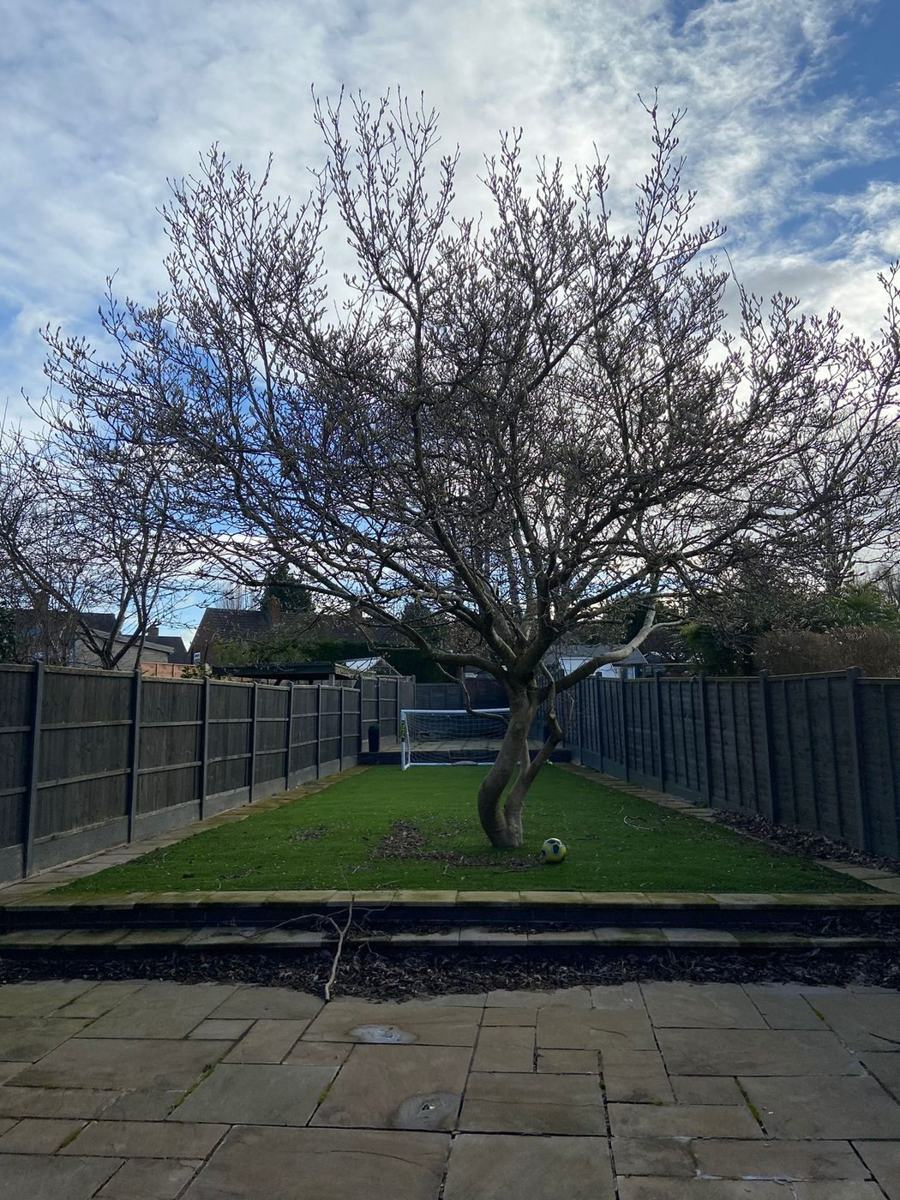
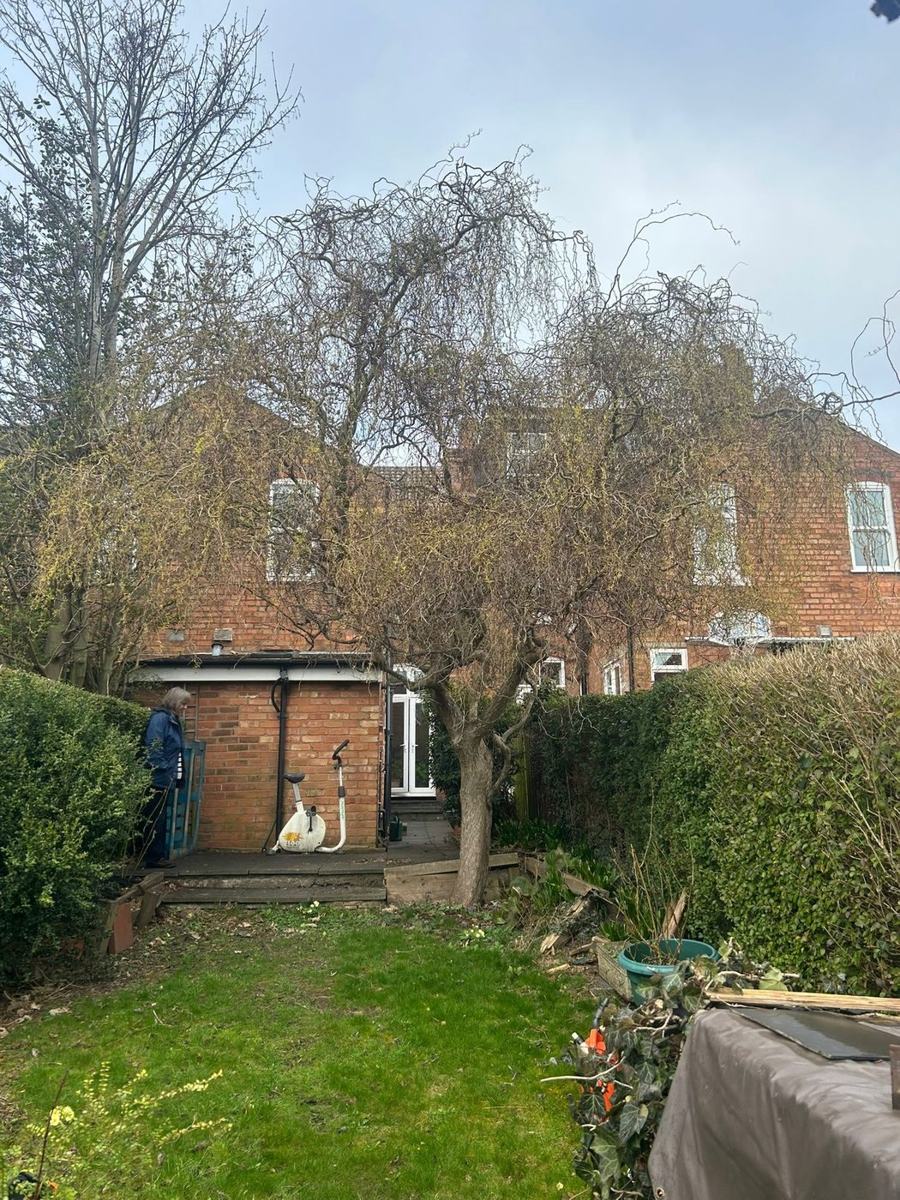
Around the older parts of Droitwich, a tree may stand close to a period house, with roots and branches working on a limited amount of space. Careful pruning keeps branches off the roof and walls, clears gutters of falling debris and lets light back into rooms. We thin crowded growth first, because that often solves the problem without taking much off the overall size.
Mature specimens deserve a gentler hand. Large cuts on an old tree heal slowly and can open the door to decay, so we prefer several small, well placed cuts to one dramatic one. We take out dead, diseased and rubbing branches, and tell you if we see anything, such as fungal growth, that may need a second opinion. We point out anything unusual we notice as we work.
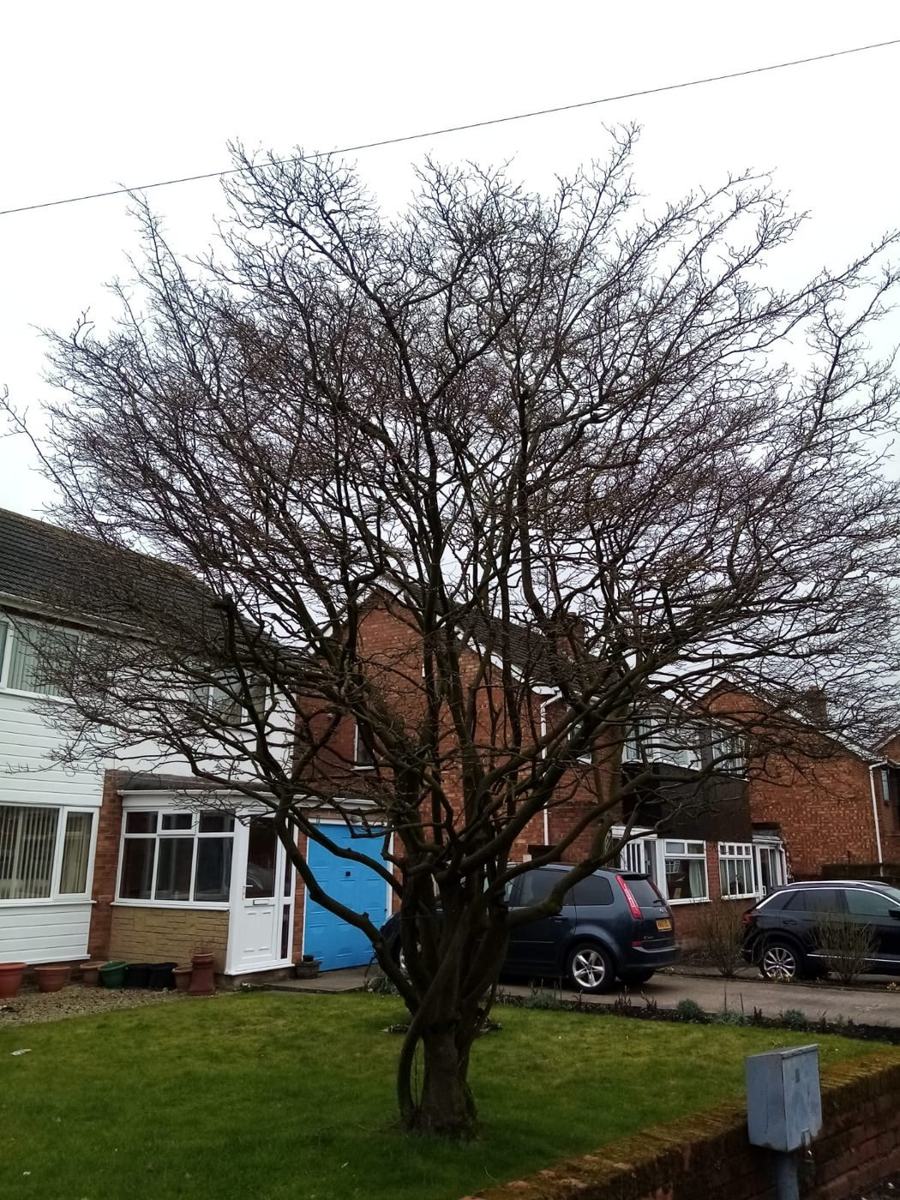
Further out, Droitwich gardens grow larger and often finish in field hedging or a mix of native trees. These boundaries are valuable for wildlife, so we trim them to keep a dense, healthy line rather than flattening everything. Pruning a field hedge in the right season helps it thicken from the base and stops it turning into a row of leggy trees.
Near the Droitwich canals, damp ground encourages willow, alder and other vigorous species to grow fast. Light, regular pruning keeps these within bounds. Be sure first of where your boundary lies, because land beside a canal often belongs to someone else. For your own side we can happily do the work, once any protection is checked. Droitwich's damp, low ground makes this especially worthwhile.
Conifers in Droitwich gardens must be reduced within the living green, because bare brown wood will not regrow, and we tell you plainly when one has gone too far. Winter suits much of our pruning, and we avoid active nests in spring. We also cover Bromsgrove, Ombersley and Stoke Prior, so ask us about your tree. Ask us which month suits your own trees.
Based in Hall Green, so we are never far from the gardens we work in.
We look at the job before we price it, so you know what is involved.
Branches, clippings and rubbish from our jobs are cleared and the garden left tidy.
Call, or send photos on WhatsApp, and we will come back to you.
 Tree Pruning
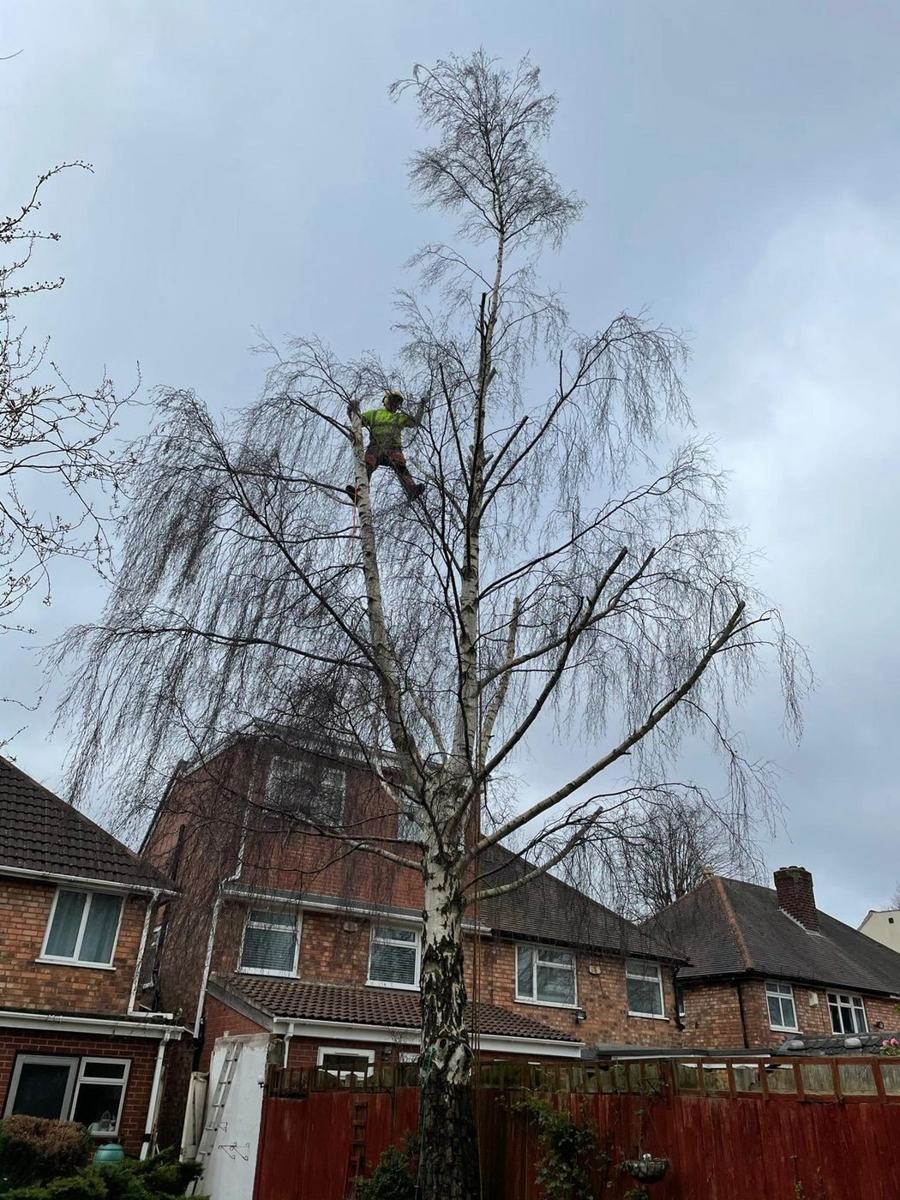
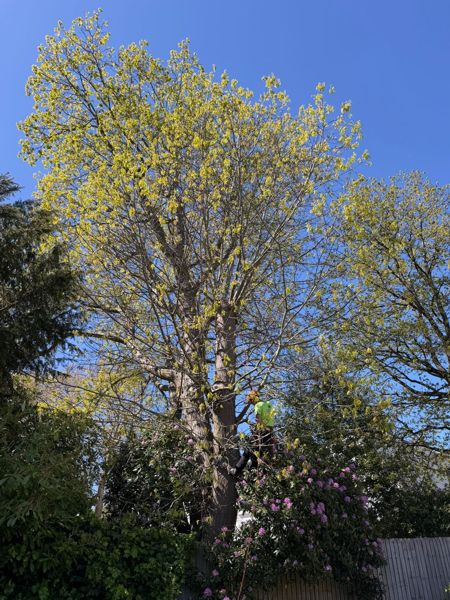
A climber cut back a tall garden tree in spring, shortening one of its stems and thinning the top of the crown.
View project →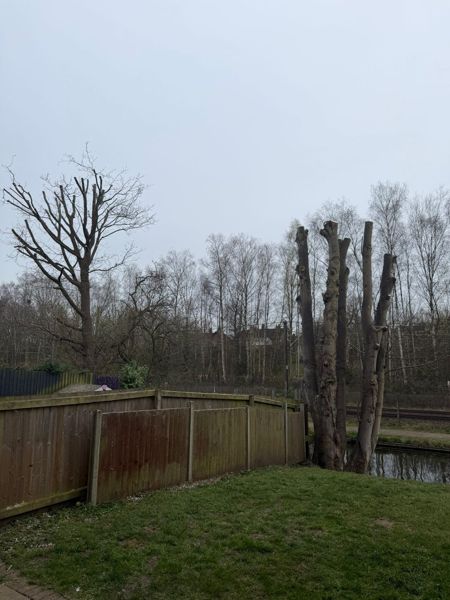 Tree Pruning
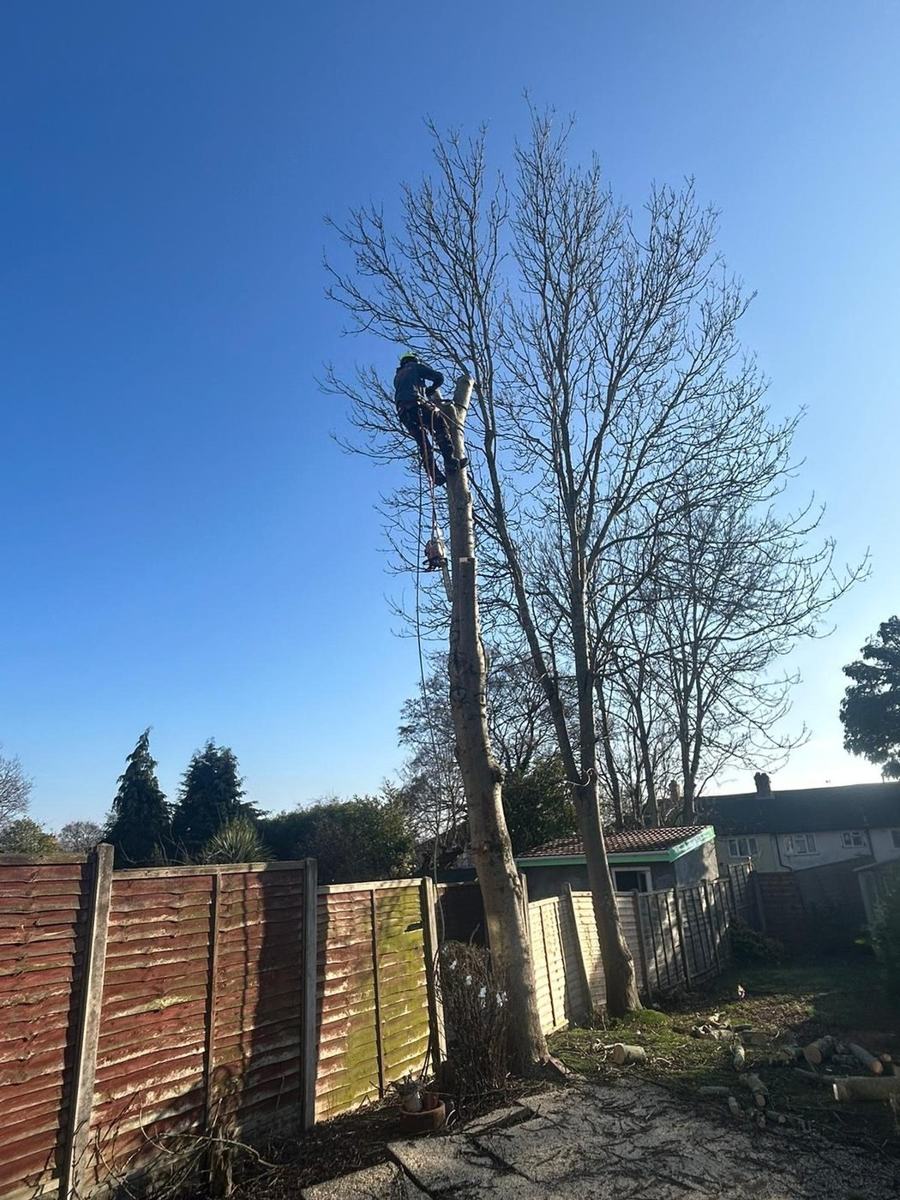
Tall trees at the end of gardens beside a canal were reduced in height by climbers working in winter.
View project →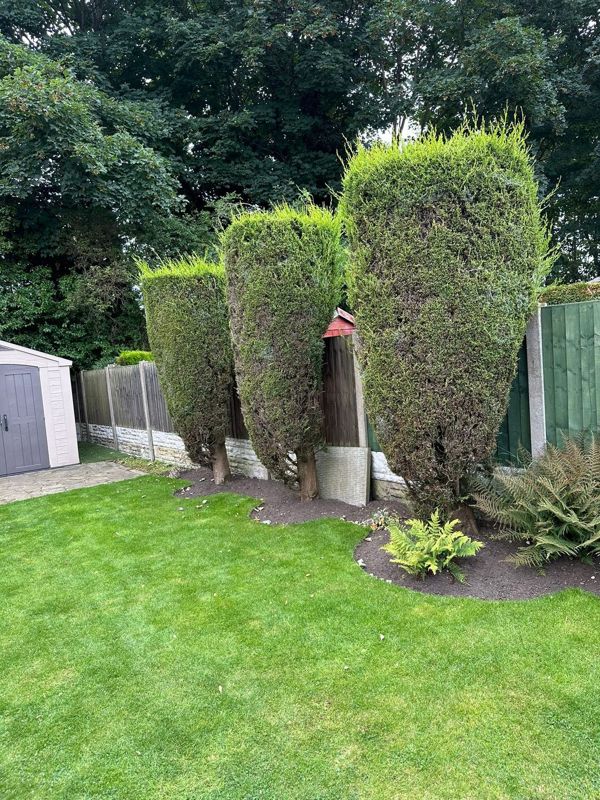 Tree Pruning
Three tall garden conifers trimmed into neat, tapered shapes along a fence, with fresh mulch around their bases.
View project →From our base in Hall Green we work across Birmingham, the Black Country, Solihull and parts of Worcestershire. Choose your area.
For most field hedges, late autumn to winter is kinder to wildlife and the plants, once the birds have finished nesting. Formal garden hedges can be trimmed at other times. Tell us what the hedge is made of and we will suggest timing.
Yes. We take care to protect the walls, roof and gutters while we work, and we choose cuts that keep branches clear of the building. If roots are also a concern, we can explain what pruning can and cannot achieve.
Only if it stands on your own land. Many canal-side trees belong to the waterway owner or a neighbour. Check your boundary first, and we can then prune any trees that are yours and tell you if a protection order applies.
Tell us what needs doing and where. We will get back to you to arrange a visit and a free, no-obligation quote. Photos sent on WhatsApp help.