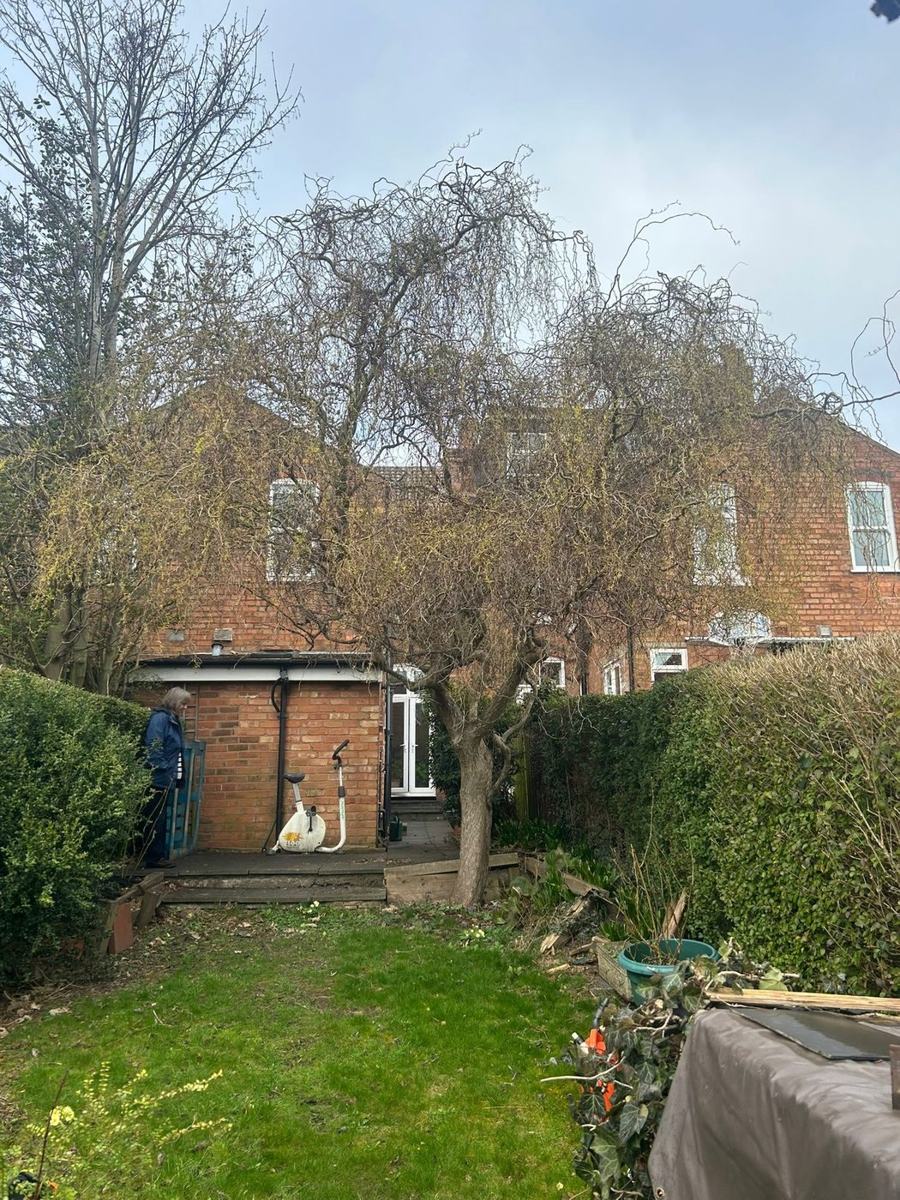
The short answer is: it depends
Owning a tree does not always mean you can do whatever you like with it. In many cases you can remove a tree from your own garden without anyone's consent. In others, the tree is protected and cutting it without permission can lead to serious trouble. The rules turn on where the tree stands and whether anyone has placed protection on it, which is why a quick check at the start saves a great deal of worry later.
If you are unsure, the safest habit is to treat permission as a question to answer before the job is booked, not after. A short enquiry costs nothing in effort compared with the trouble that can follow from cutting a protected tree, and it lets you plan the timing of the work around any reply you receive.
The two main protections to look for
Trees can be protected by a Tree Preservation Order, usually shortened to a TPO, or simply by standing inside a conservation area. Both are managed by the local council, and both normally mean you must contact the council before cutting down or heavily pruning the tree. Across Birmingham, Solihull and the Black Country there are a good many older streets and neighbourhoods where one or other of these applies, so assume nothing based on the look of your own road.
How to check before you do anything
The reliable route is to ask your local council's planning or tree officer. Give them the full address and say which tree you mean. They can tell you whether a TPO covers it and whether your property is within a conservation area. It is a short enquiry, and getting the answer in writing is sensible. If your house is newly bought, the paperwork from the purchase may also mention protected trees, so look through it too.
- Contact the council's tree or planning team with your address
- Describe the tree and where it stands in the garden
- Ask about both TPOs and conservation area status
- Keep any reply for your records
Felling licences for larger removals
Separately, larger quantities of timber can need a felling licence from the Forestry Commission. This is rarely a worry for the felling of a single garden tree, but the rules can apply when substantial volumes are removed. If you are clearing a number of larger trees, it may need a licence, so it is worth checking with the Forestry Commission or asking your tree surgeon what applies to your particular situation.
Other things that affect your plans
Even where no protection applies, there are practical points to settle. Check that the tree is genuinely yours and not on a neighbour's side of the boundary. Think about nesting birds, because disturbing active nests is something to avoid in spring and summer. Consider access, overhead cables and buildings close by. A tree that looks simple from the lawn can be awkward to take down safely, particularly in the long, narrow gardens common to inter-war semis.
It also helps to think about what happens to the space afterwards. A large tree removed from a small garden changes light, drainage and privacy, so some people choose to replant something smaller and better suited to the plot. Neighbours may also have views about a large tree coming down, so a quick word beforehand keeps relations friendly and avoids surprises on the day of the work.
What happens when we visit
When we come to look at a tree, we ask about the address, check with you what protection might apply, and explain the options. Sometimes felling is the sensible answer, and sometimes reducing or thinning keeps the tree and solves the problem. We can take the timber and green waste away and leave the stump low or ground out by arrangement. If the council needs to be contacted first, we will tell you plainly and work to their decision.
Want it looked at properly?
Tell us what you have and we will arrange to visit, explain what is needed and give you a free, no-obligation quote. See our tree felling page, or send us photos on WhatsApp.
Common Questions
What happens if I cut down a protected tree without permission?
Felling or damaging a tree covered by a TPO or in a conservation area without the right consent can lead to prosecution and a requirement to replant. The risk is not worth taking, so always confirm the position with the council before work begins.
Do I need permission for a tree that is dead or dangerous?
Rules on dead or dangerous trees can differ from the usual position, but you should still speak to the council first, and ideally have evidence such as photographs or an inspection. Getting that confirmed in advance protects you if anyone later questions the work.
Can I fell a tree that overhangs from next door?
You may be able to cut back branches that overhang your own land, though you generally cannot fell a tree that belongs to someone else. Talk to your neighbour first, and check whether the tree is protected before anyone does any cutting at all.
How long does the council take to respond?
It varies from council to council and depends on how busy they are. A simple question about whether a tree is protected is often answered quickly, whereas a formal application takes longer. Asking early, well before you want work done, avoids delays.