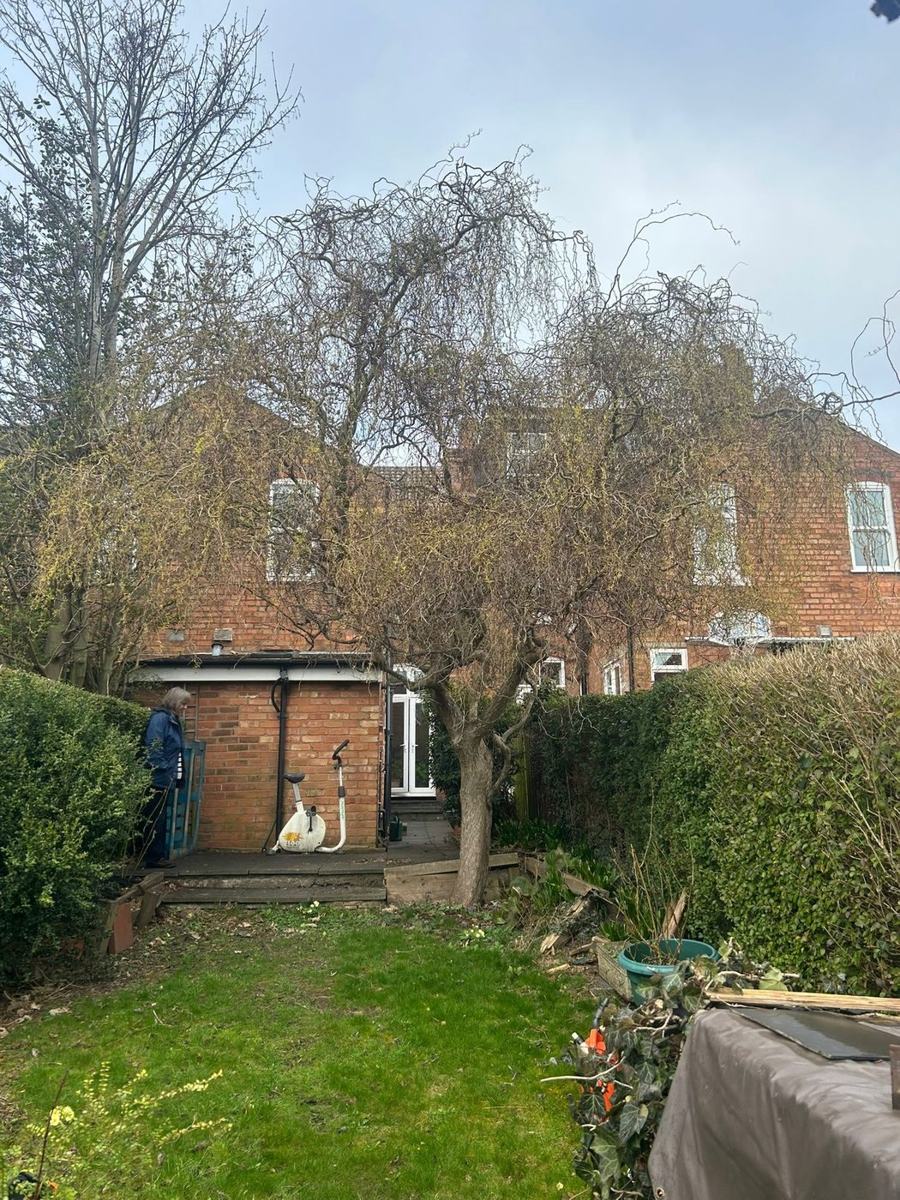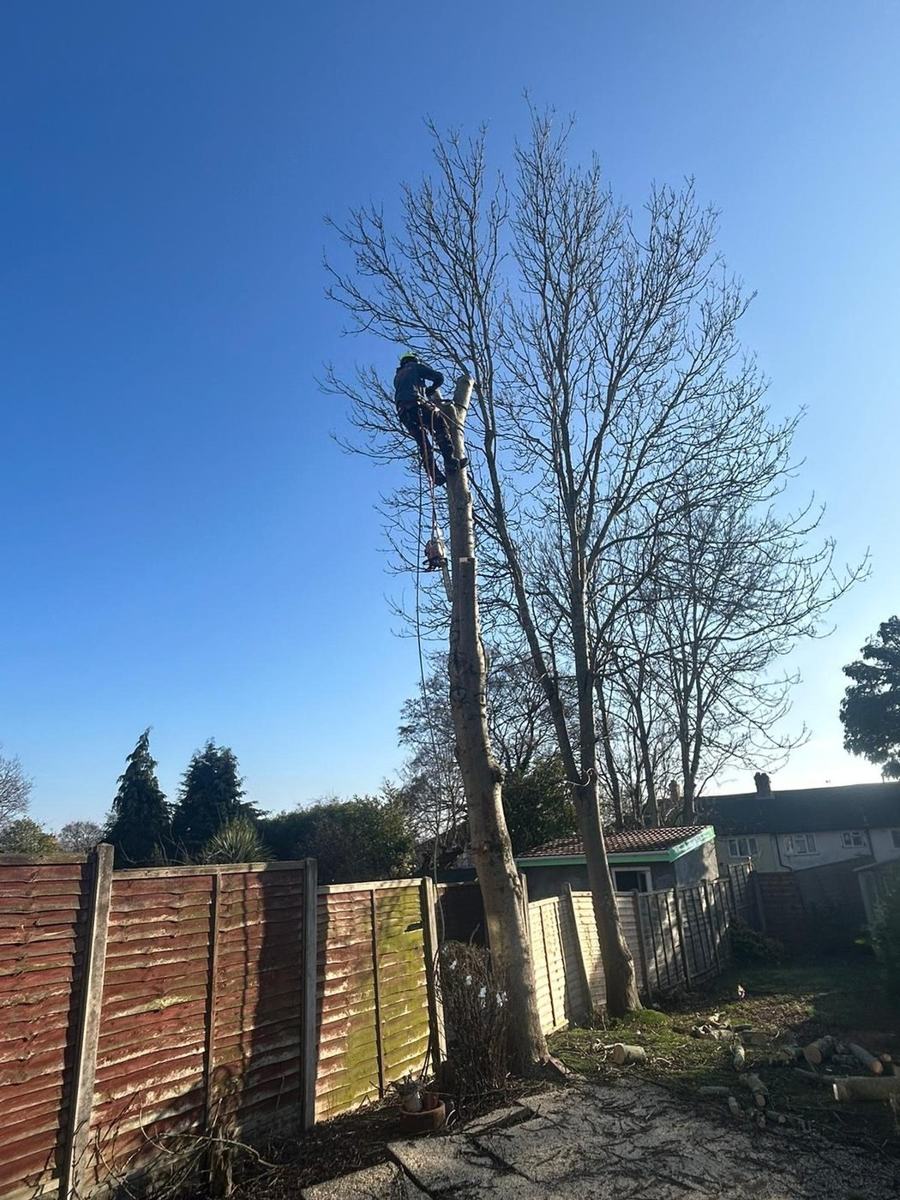
Tree pruning is the selective removal of branches to shape a tree, thin out dense growth, take out dead wood and keep it in proportion with the garden around it. We prune fruit trees, ornamental trees, mature garden specimens and reduce conifers and firs, working from Hall Green across Birmingham, the Black Country, Solihull and north Worcestershire.
We look at the tree, explain what we would take off and what we would leave, then carry out the work with clean cuts. All the cuttings are removed and the lawn or border is raked over afterwards. Where trees are protected, we point you to the council first, since pruning often needs permission too.
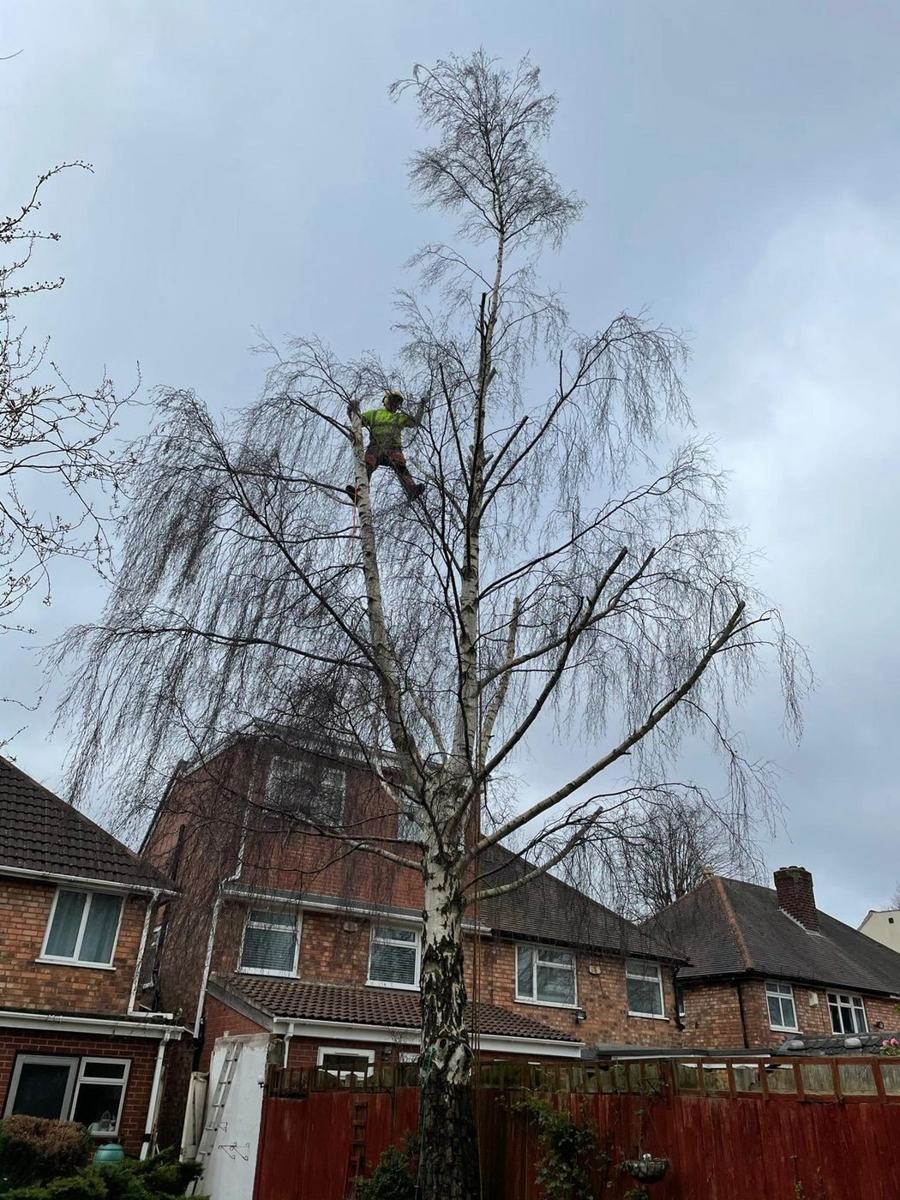
A garden tree that is left alone for a long time tends to become crowded, heavy and lopsided. Branches cross and rub, dead wood builds up in the crown and the canopy blocks light from the house and the lawn. Pruning lets more light and air through, removes the weakest growth and helps a tree keep a balanced shape, which also makes it less likely to shed limbs in a gale.
In the West Midlands many gardens, from Victorian terraces to long inter-war plots, hold trees that were planted small and have since grown large. A careful reduction or thin can bring one back into scale without ruining its natural form, and it often means the tree can stay rather than needing to be taken down. That keeps the shade, the blossom and the birds, and saves the cost of replanting.
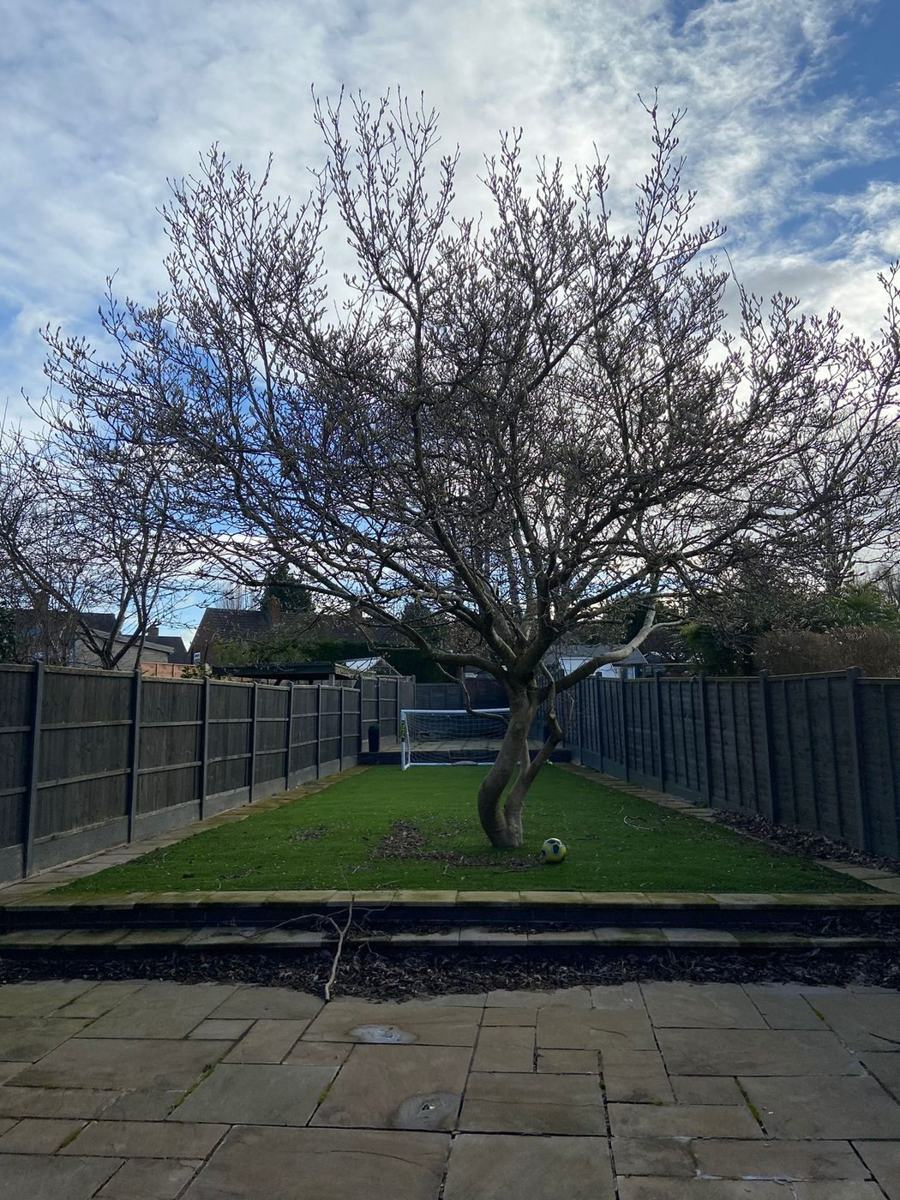
Timing matters. Many trees suit pruning in winter while dormant, though some fruit and flowering trees prefer other times, and we will tell you what suits yours. Between spring and summer birds nest in hedges and trees, so we check carefully before cutting and hold off if a nest is in use. A good job done at the wrong time can still harm a tree. Tell us what you have.
Conifers need particular care. Most will not regrow from old, bare brown wood, so cutting a fir or similar conifer back hard can leave a permanent gap or kill the tree. We reduce them within the green growth only, and we tell you honestly if one has been left too long to shape without losing its look, rather than cutting it and hoping for the outcome.
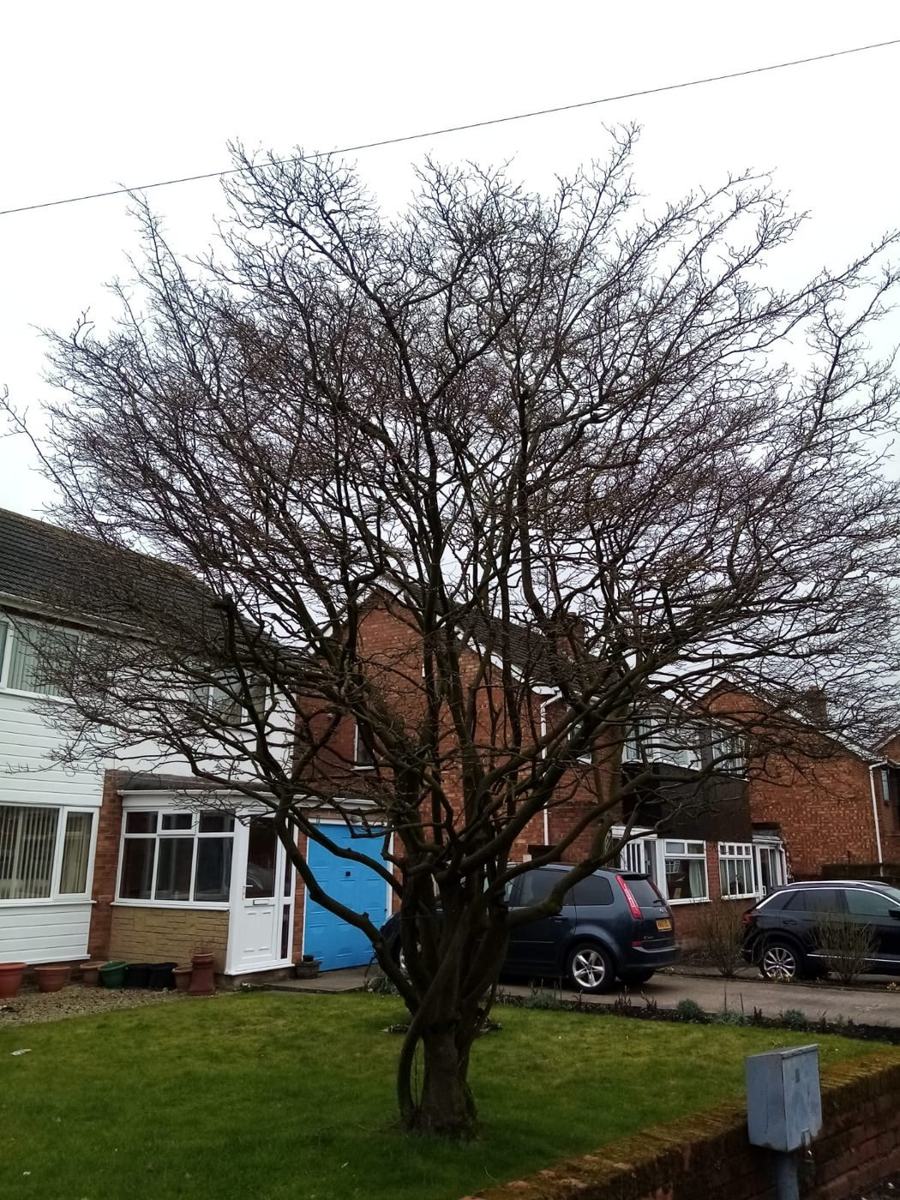
Ask the local council whether the tree has a Tree Preservation Order or sits in a conservation area. Both can mean you need consent before pruning, even for a modest reduction. It is a short enquiry, and getting it right protects you from trouble later. We can explain what to ask for and what details they are likely to want, such as the address and the work planned.
Decide what you want from the tree too. Do you need more light, a clearer view, less pressure on a fence or roof, or just a tidier shape? Tell us about neighbours, access along side passages and anything overhead. A clear idea of the outcome helps us give you sensible advice and avoid cutting more than is needed, which is better for the tree. Small, well-judged cuts usually do more good than one heavy hit.
Based in Hall Green, so we are never far from the gardens we work in.
We look at the job before we price it, so you know what is involved.
Branches, clippings and rubbish from our jobs are cleared and the garden left tidy.
Call, or send photos on WhatsApp, and we will come back to you.
 Tree Pruning
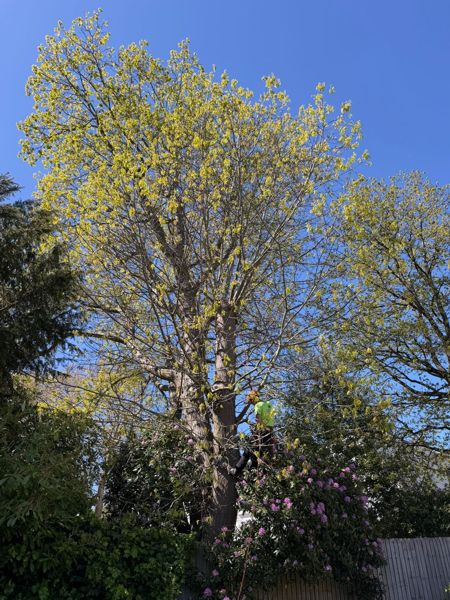
A climber cut back a tall garden tree in spring, shortening one of its stems and thinning the top of the crown.
View project →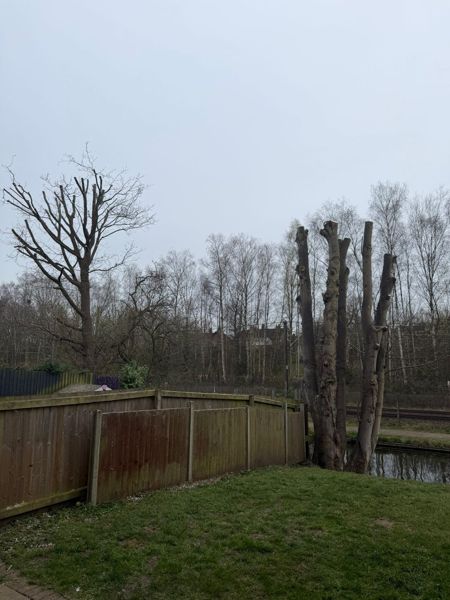 Tree Pruning
Tall trees at the end of gardens beside a canal were reduced in height by climbers working in winter.
View project →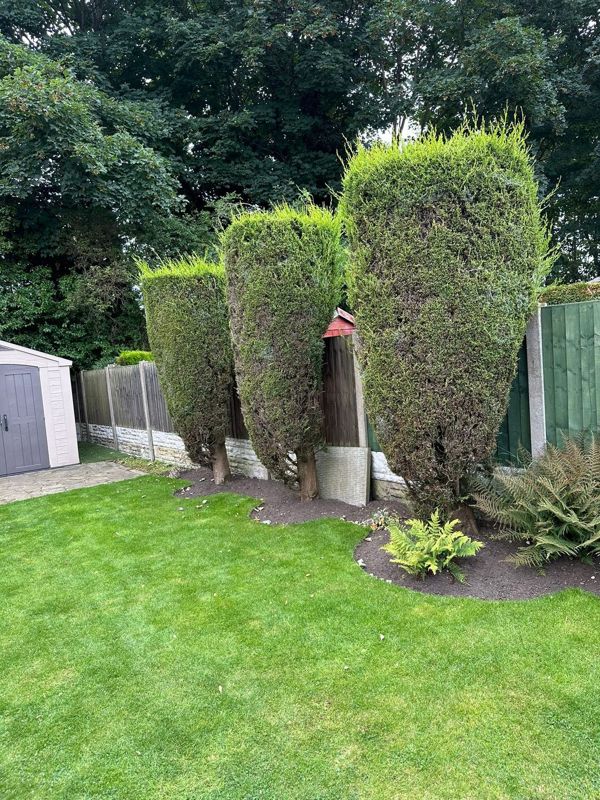 Tree Pruning
Three tall garden conifers trimmed into neat, tapered shapes along a fence, with fresh mulch around their bases.
View project →From our base in Hall Green we work across Birmingham, the Black Country, Solihull and parts of Worcestershire. Choose your area.
It depends on the species. Many trees suit winter pruning while dormant, but some fruit and flowering trees are better cut at other times. We also avoid active bird nests in spring and summer. Tell us what tree you have and we will explain the sensible timing.
Done properly, no. We make clean cuts at the right points, remove only what is needed and never strip a tree back more than it can handle. Poor pruning, such as heavy cutting at the wrong time, is what causes problems. We explain what we plan to take off first.
Often yes, but with care. Conifers do not regrow from old bare wood, so we trim back only within the green growth. If a tree has grown too tall to reduce safely without ruining it, we will say so honestly and talk through other options.
Yes. We clear all the branches and green waste from the garden and leave the area tidy, raking the lawn or border where needed. If you would like some of the wood kept for logs or kindling, just say so before we start.
Tell us what needs doing and where. We will get back to you to arrange a visit and a free, no-obligation quote. Photos sent on WhatsApp help.