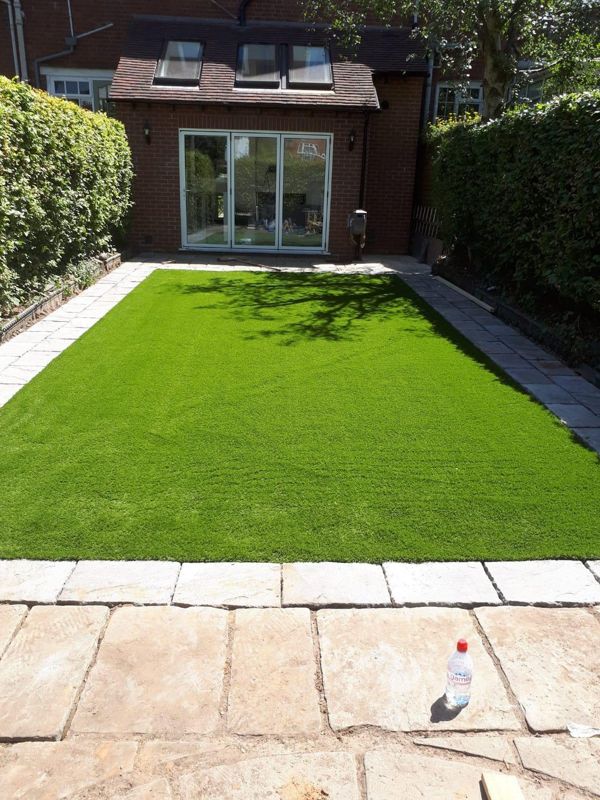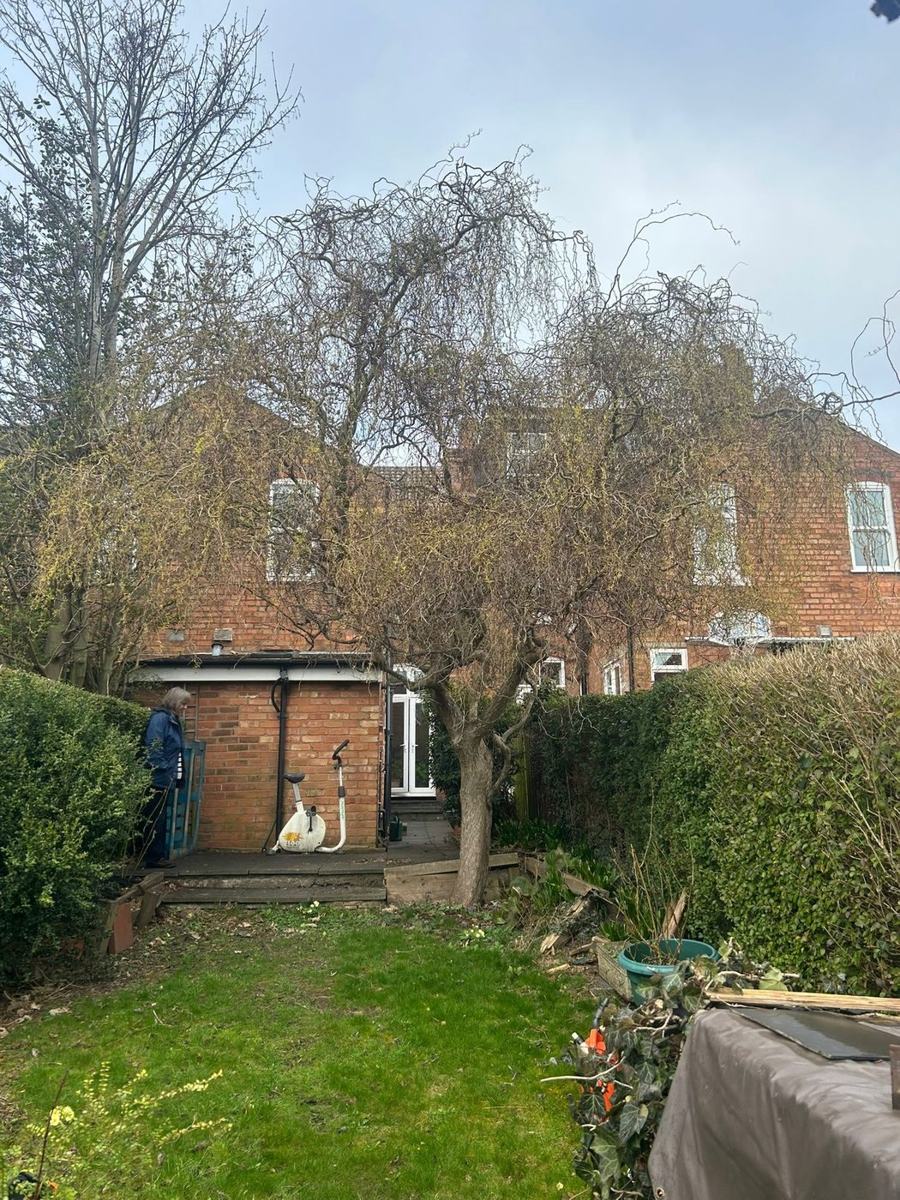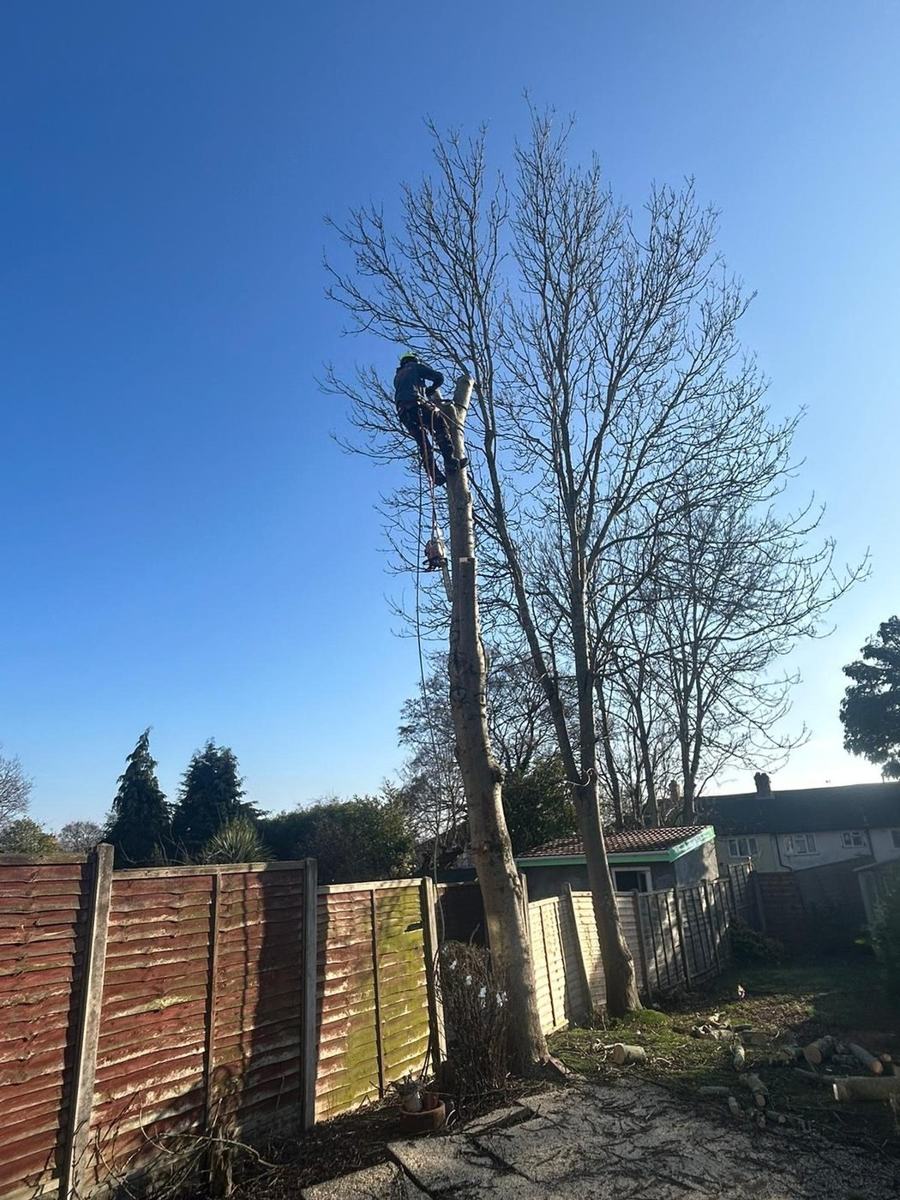
Dudley stands on high, uneven ground, with the castle on its hill and wooded limestone in places. Garden plots follow the land, so sloping lawns, steep banks and terraced levels are common among the older terraces and the 20th century estates. We landscape them with care, working out levels, drainage and access first, and then building surfaces, borders and boundaries that suit the ground.
The work can be a whole-garden makeover or a smaller project, and the waste is always taken away. We explain each stage in advance, so nothing about the order of work is a surprise. Every job is planned with you first.
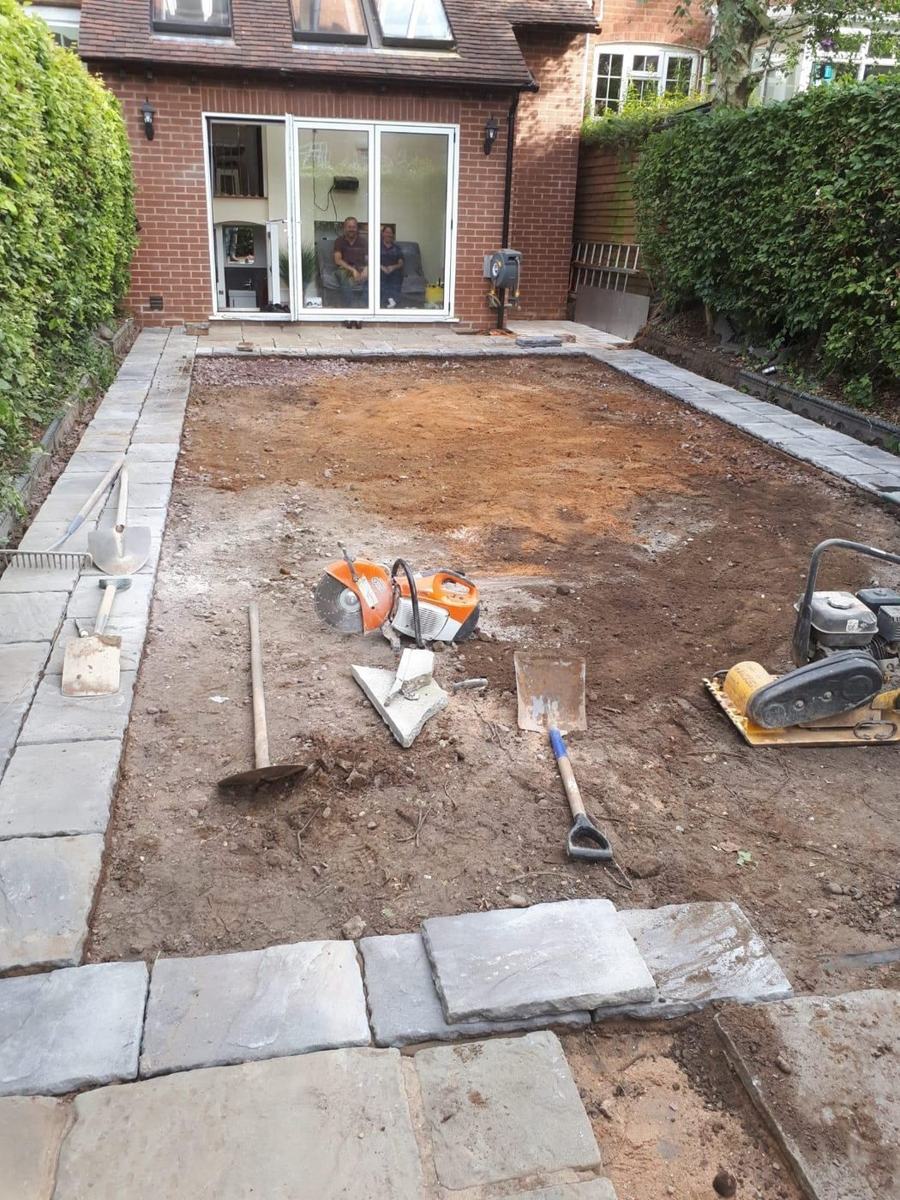
Most Dudley gardens need some reshaping before they are comfortable to use. We typically cut a level area for seating, support the higher ground with a retaining wall and add steps so you can move around safely. Doing this first gives the rest of the garden a firm foundation and a logical layout that is easy to follow. This approach suits Dudley gardens well, since a small flat area can change how the whole plot is used.
Because the ground is hilly, water runs quickly and can collect behind walls or against the house. We check the fall of the land and add drainage where it is needed, using a compacted base for hard surfaces and gentle gradients on paths. These choices keep the finished landscaping dry, stable and safe underfoot. Good groundwork is invisible once finished, but it makes the difference over time.
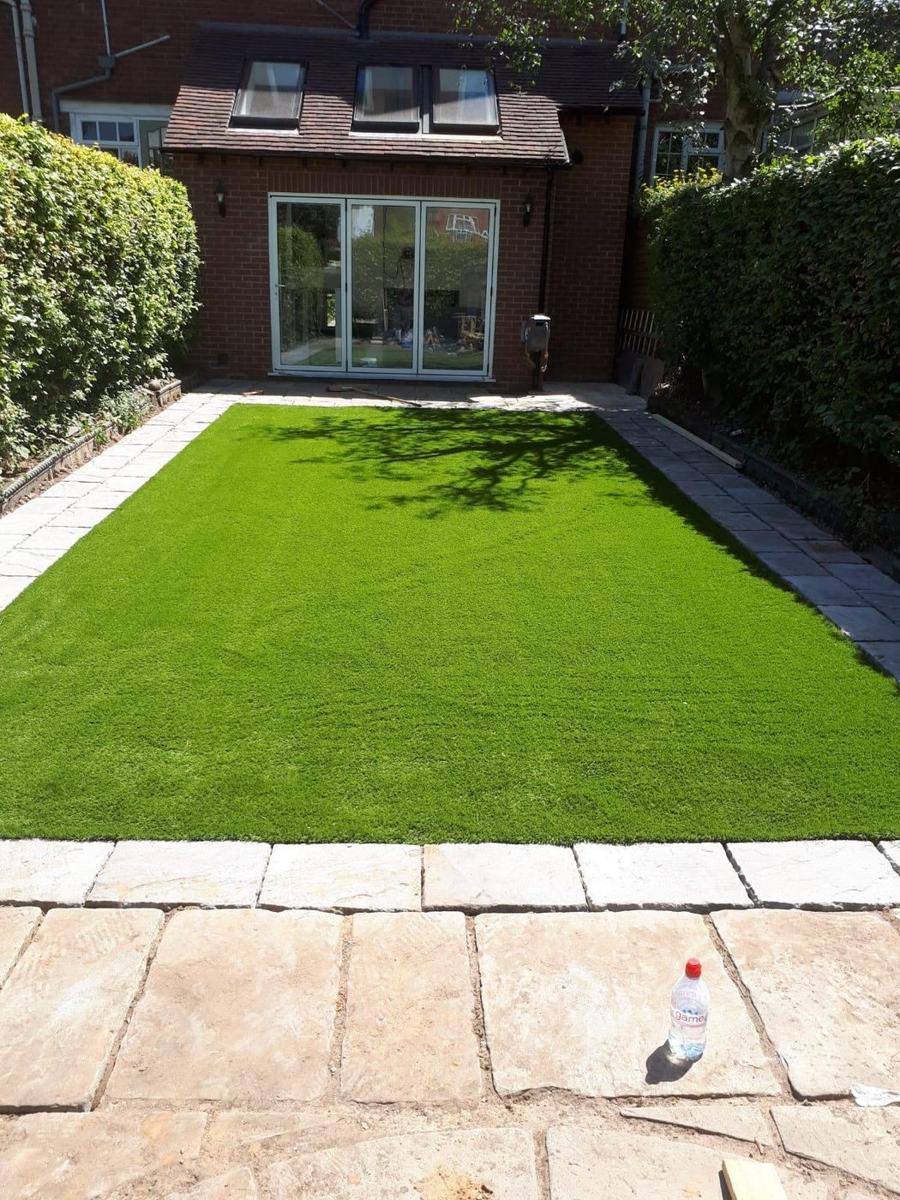
Older terraces in Dudley may have narrow, steep gardens, while 20th century estates offer wider plots with a gentler fall. We adapt to each. Small gardens benefit from raised beds, built-in seating and compact paving. Larger ones can take a lawn, wider borders and a separate area at the top or bottom of the plot. We talk through the space with you and suggest what will work in practice.
The local ground can be rocky in places, with limestone close to the surface, which affects digging and planting. We allow for it in the plan, choosing plants that tolerate thin or alkaline soil, and bringing in topsoil for lawns and beds where it is needed. That avoids disappointment once the garden is finished. Mixed borders of tough, low-effort plants suit these conditions well.
Hillside landscaping works well in a clear sequence: groundwork and walls, then steps and paths, then turf and planting. We explain the order and keep access safe, particularly where materials must be moved by hand. We also work in Brierley Hill, Netherton, Sedgley and Gornal, and every Dudley job ends with spoil and rubbish cleared. Ask us anything before we begin.
Based in Hall Green, so we are never far from the gardens we work in.
We look at the job before we price it, so you know what is involved.
Branches, clippings and rubbish from our jobs are cleared and the garden left tidy.
Call, or send photos on WhatsApp, and we will come back to you.
From our base in Hall Green we work across Birmingham, the Black Country, Solihull and parts of Worcestershire. Choose your area.
Yes. Steep gardens are a regular part of our work. We usually build level terraces with retaining walls, add steps and paths with a safe finish, and include drainage so water does not collect behind the walls or against the house.
It can, because the soil may be thin and the stone close to the surface. We choose hardy plants that suit those conditions and add topsoil where needed, so lawns and borders have a proper depth to grow in.
Absolutely. Small gardens respond well to careful design, with raised beds, built-in seating, neat paving and a few well-chosen plants. We bring materials in carefully and tell you how we plan to manage access before we begin. We also remove all rubbish afterwards.
Tell us what needs doing and where. We will get back to you to arrange a visit and a free, no-obligation quote. Photos sent on WhatsApp help.