It starts with a conversation
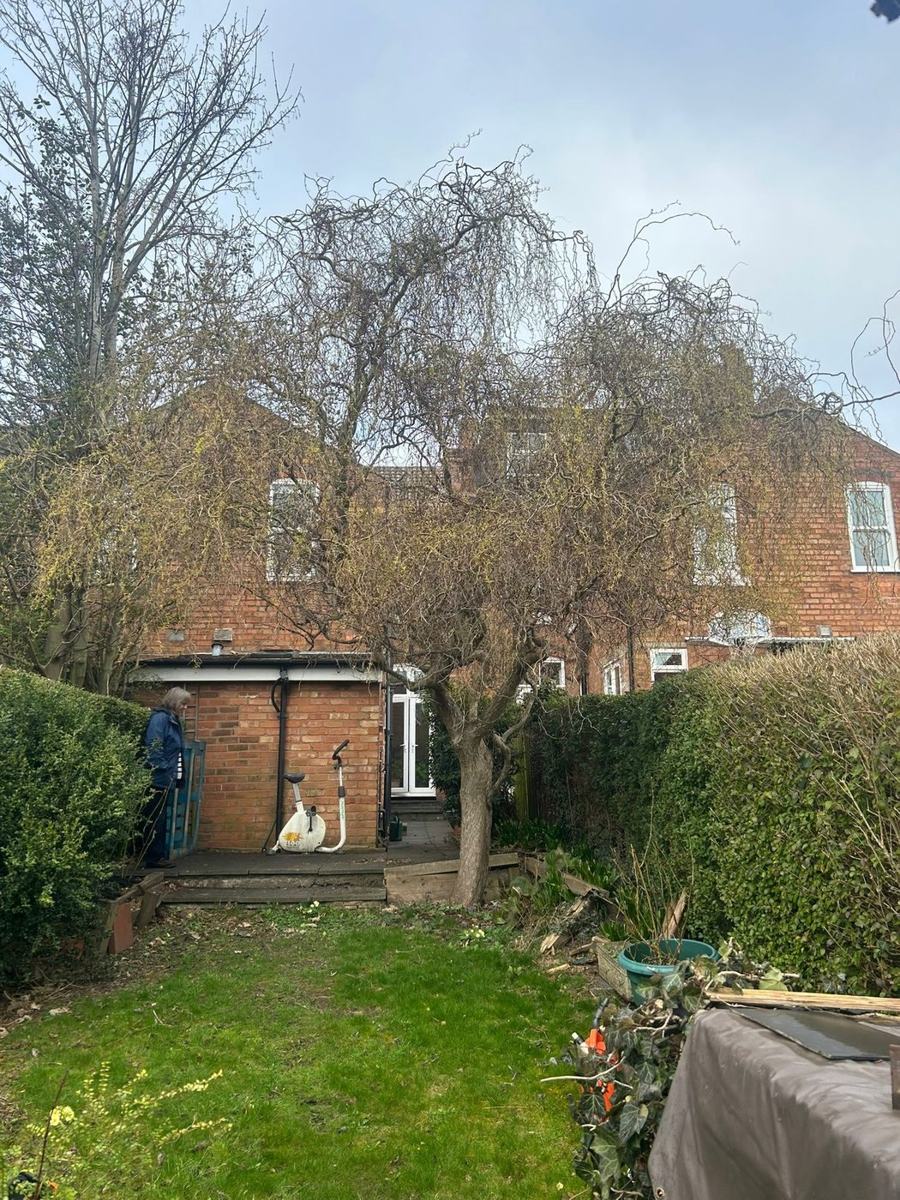
The first step is not a spade, it is a chat about how you want the garden to work. Do you need somewhere for children to play, a place to eat outside, easy upkeep, privacy from neighbours or space for growing things? These answers shape everything that follows. We look at the garden as it is: the levels, the light, the drainage, any mature trees and where the sun falls through the day. A long inter-war garden, a small terrace yard and a sloping plot all call for different thinking, so seeing the space matters. Bring any ideas, photos or magazine cuttings you like, because they help us understand your taste quickly.
Planning and agreeing the scope
Once we understand what you want, we talk through the options and put them into a sensible plan. That covers what stays, what goes, where paths and patios sit, how the lawn, borders and boundaries fit together and what order the work happens in. Makeovers can be done in one go or in stages if you prefer to spread the work out. Either way, planning the whole garden first means the parts fit together, rather than ending up with a patio that cuts across the view.
Clearing and groundwork
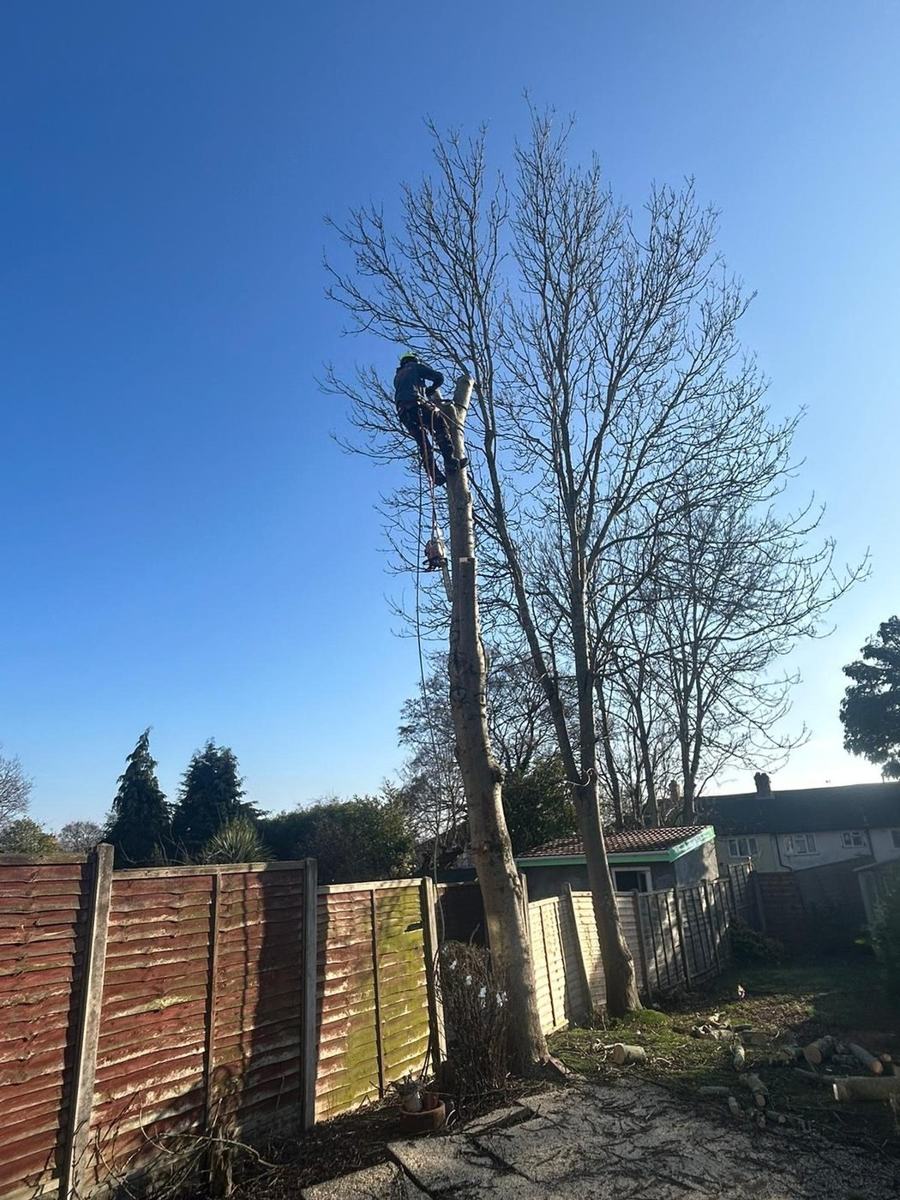
The first physical work is usually clearing: old lawn, tired borders, overgrown shrubs, broken paving and rubbish. If trees or hedges need cutting back or removing, that is dealt with early, with a check on any protection rules through the council. Then comes groundwork, which makes or breaks the result. Levels are set, drainage considered and bases prepared and compacted. It is not the most glamorous stage, but a garden built on a well-prepared base stays flat, drains properly and looks good for longer. Anything we find under the surface, such as old foundations, is discussed with you before we carry on.
Building the hard landscaping
Next come the structures: patios, paths, steps, walls, edging and fencing. Marking out first lets you see the shapes on the ground and make small adjustments before anything is laid. Surfaces are laid with a slight fall so water runs away from the house. Expect noise, deliveries and some disruption during this phase, and the garden may be hard to use for a while. We keep access clear where we can, talk to you about neighbours and take away the spoil and waste as the job goes along.
- Patios and paths laid on a compacted sub-base.
- Retaining walls, steps and edging set out carefully.
- Fencing and gates installed to suit the boundary.
- Waste removed as work progresses.
Lawns, borders and planting
With the structure in place, soft landscaping follows. Turf or artificial grass is laid, borders are prepared and shrubs, perennials or trees are planted. Planting season matters, and we will say if a particular area is better left until the weather suits. Choosing tougher plants for awkward spots, such as dry shade or heavy clay, makes the garden easier to keep. Gravel, membranes and edging can reduce upkeep, and the aim is a garden that suits your time as well as your taste.
Finishing, tidying and aftercare
At the end we tidy up properly, sweep surfaces, remove surplus materials and walk the garden with you. Anything that needs adjusting is better raised then, while we are on site. New lawns and planting need watering and gentle care while they settle, and we will explain what to do. If you are thinking of a makeover, the sensible next step is to let us see the garden. We will talk it through honestly and tell you what is realistic. Small snags on a new garden are normal, and we would rather put them right promptly than leave you wondering.
Want it looked at properly?
Tell us what you have and we will arrange to visit, explain what is needed and give you a free, no-obligation quote. See our landscaping page, or send us photos on WhatsApp.
Common Questions
How long does a garden makeover take?
It depends on the size of the garden, the amount of groundwork, the materials and the weather. A small yard can be quick, while a full redesign with patio, fencing and planting takes longer. Seeing the garden lets us give a realistic timescale and explain what could affect it.
Can the work be done in stages?
Yes. Many people start with clearing and groundwork, then add the patio, fencing or planting later. We plan the whole garden first, so each stage fits with the next and nothing has to be redone. Phasing can also spread the work more comfortably.
Do I need to be at home while you work?
Not necessarily, but it helps to be reachable for decisions. We agree access, gates, parking and where materials can go in advance. A short walk-round at the start and finish of the job is useful so everyone is clear about what has been done.
What happens to the old turf, soil and rubbish?
We take it away. Old lawn, broken paving, green waste and spoil are removed as the work progresses, so the site stays workable and you are not left with piles to deal with. Please mention any access limits, such as narrow side passages.