Know what you want to ask
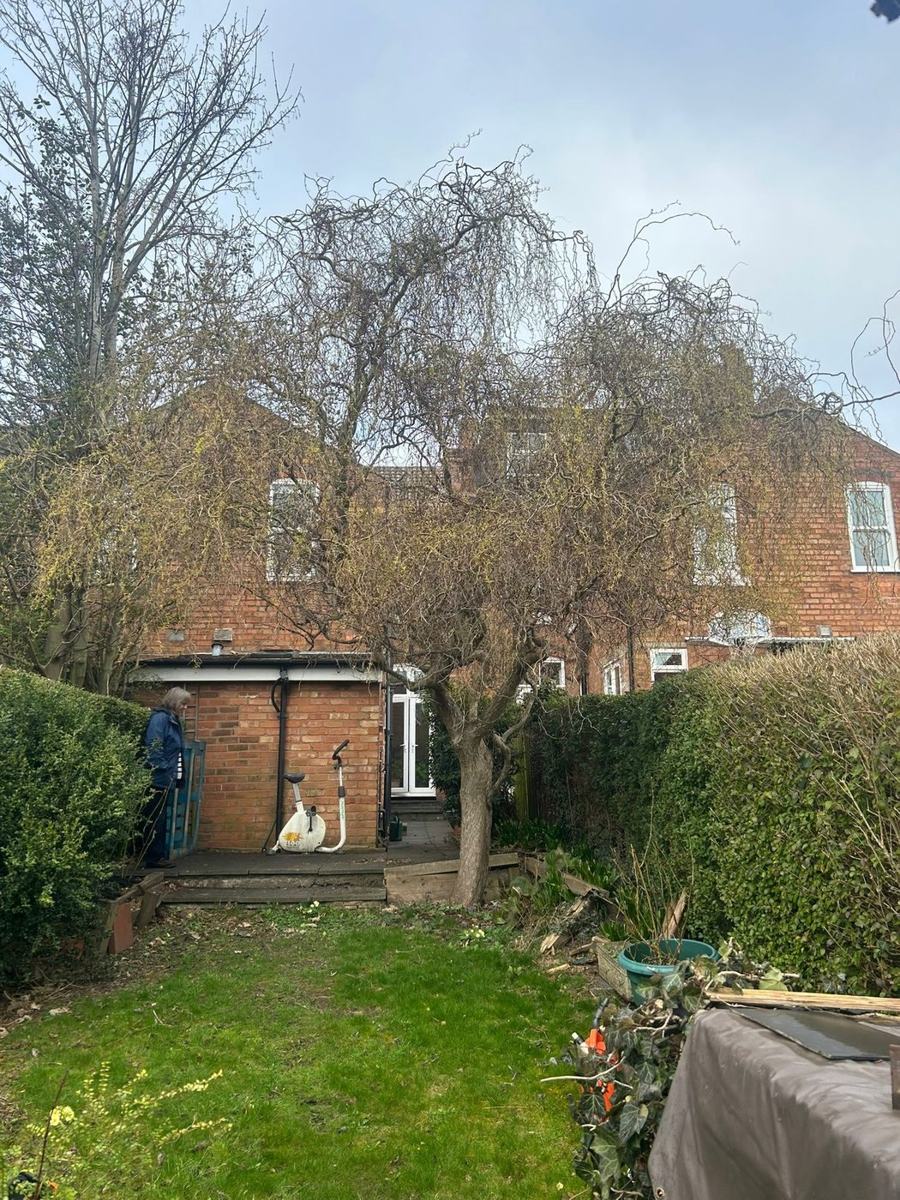
Before anyone visits, write down what you want from the tree. Is it too large for the garden, blocking light, overhanging a neighbour, dropping branches or simply looking unhealthy? Be clear about whether you want it reduced, thinned, lifted or removed. It also helps to note anything you have noticed, such as dead branches, fungus at the base, cracks in the trunk, a lean that has changed or recent damage. Photos taken over a few weeks can show a change that a single visit might not.
Check whether the tree is protected
Trees can be protected by a Tree Preservation Order or by being within a conservation area, and many parts of Birmingham and the surrounding boroughs include conservation areas. The local council is the place to check, and it is wise to do so before any cutting begins. Larger felling can also need a felling licence from the Forestry Commission, so check whether this applies. We can talk through what to look for, but the responsibility to confirm the tree's status sits with the owner. Working without permission where it is needed can cause serious trouble.
Talk to your neighbours
Trees often straddle boundaries in effect, with branches over a fence or roots under a neighbour's lawn. Let neighbours know that a visit is planned and what you are thinking of doing. Most people appreciate being told, and it avoids surprises on the day. If the tree is not on your land, or you are not sure who owns it, sort that out first. Checking your deeds can help, and a friendly conversation is a better starting point than a dispute. Work needing access across a neighbour's property is much easier when they already know about it.
Sort out access and the garden
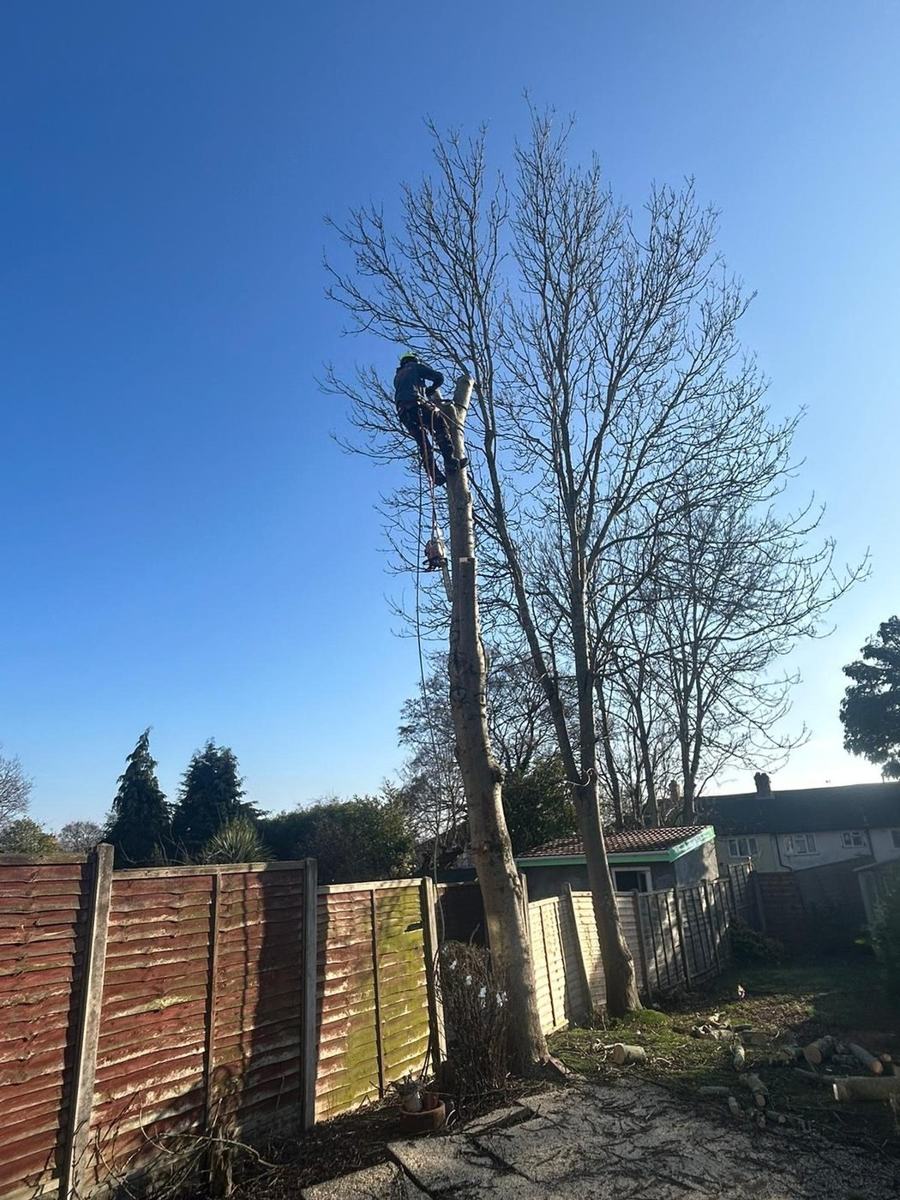
On the day, we need to reach the tree and move equipment and cut material in and out. Clear the route as far as you can: move cars from the drive or road outside, shift garden furniture, pots and children's toys, and make sure gates can be opened. Look up as well as around. Tell us about overhead cables, nearby sheds, greenhouses, garages, conservatories and fragile fences, as well as pets and any buried services you know about. Keep power lines in mind, as work close to them needs special care and should never be tackled by you.
- Move vehicles clear of the working area.
- Clear patios, lawns and paths of furniture and pots.
- Keep pets and children indoors during work.
- Tell us about cables, drains and anything fragile.
What happens during the visit
On a first visit we look at the tree and its surroundings, ask what you want to achieve and explain what is sensible and what is not. We consider the species, condition, height, access and any risk to buildings and neighbours. We will also mention timing, since nesting birds can affect when work is suitable, and some species prefer pruning in particular seasons. Ask questions freely, and ask what will happen to the timber and the green waste. A clear explanation is part of a proper visit.
After the visit
Once we have seen the job, we can set out the work, how it will be done, what is taken away and how the area is left. The work required, the height, the access and the amount of waste are what shape the cost, which is why seeing the tree is the reliable way to get it right. Take your time deciding. If the council needs to be consulted, do that before agreeing a date. When the day arrives, we cut safely, take the waste away and leave the garden tidy. Get in touch whenever you would like us to take a look.
Want it looked at properly?
Tell us what you have and we will arrange to visit, explain what is needed and give you a free, no-obligation quote. See our tree surgery page, or send us photos on WhatsApp.
Common Questions
Do I need to be at home for the first visit?
It helps, because you can point out the tree and explain what concerns you. If you cannot be there, tell us how to reach the tree and which one you mean. Where several trees stand close together, a short walk-round avoids any confusion about what is being quoted.
How do I find out if my tree is protected?
Contact your local council, which can tell you whether a Tree Preservation Order or conservation area applies. Do this before any cutting. Larger felling may also need a felling licence from the Forestry Commission, so check that too. We are happy to explain what to ask.
Should I move my car before you arrive?
Yes, if it is on the drive or close to the tree. Cut branches fall where they fall, and we need room for equipment and vehicles. If parking on the road is tight, tell us beforehand so we can plan where to stand and how to work safely.
Can you work on a tree near power lines?
Work near overhead cables needs special care and should never be attempted by the householder. Tell us about any lines when you book. We will look at how the tree sits against them and explain what can safely be done and how it is planned.